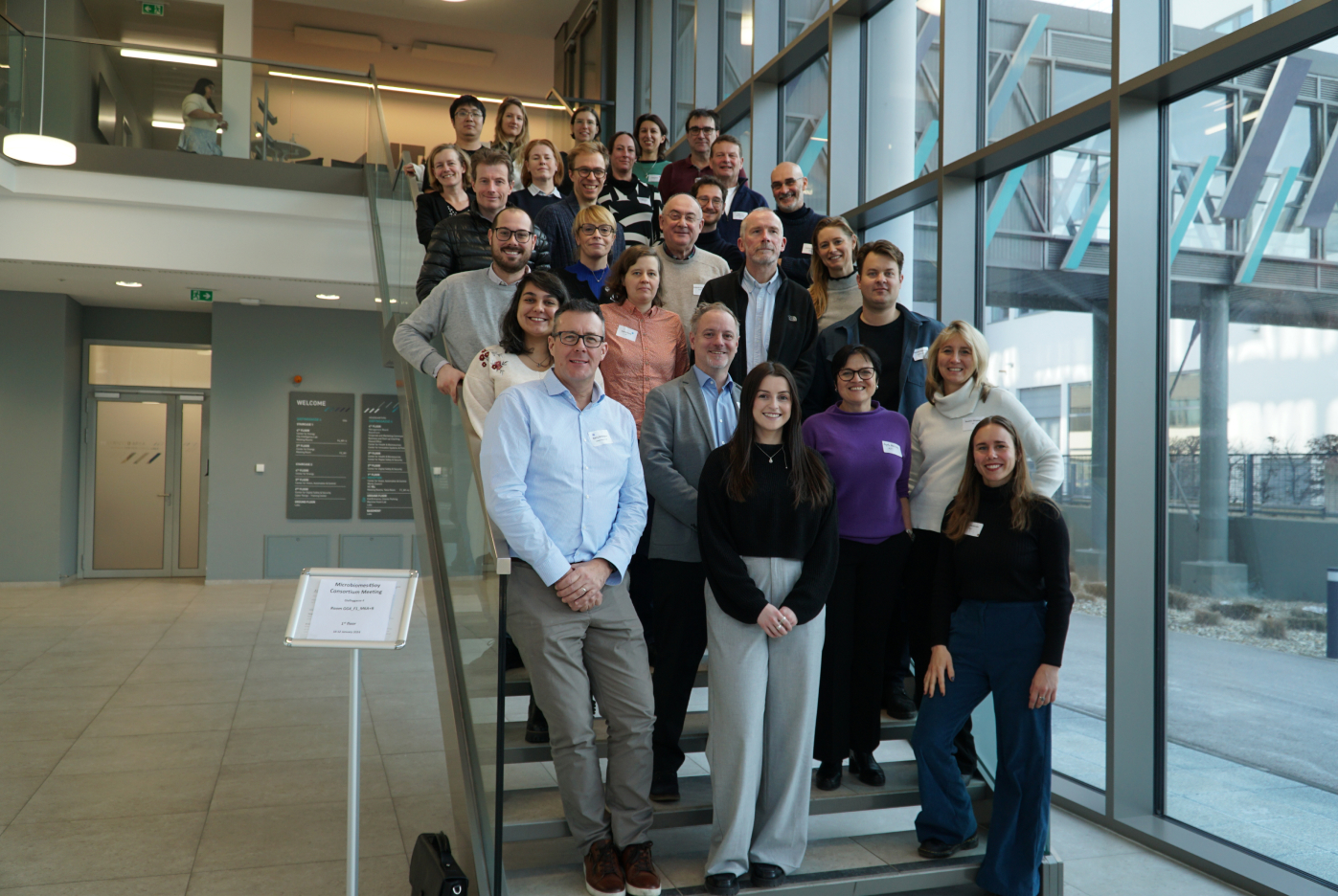
The MICROBIOMES4SOY consortium comprises 18 partners from 11 countries. Our partners contribute complementary expertise on soil, plant, human and animal microbiomes, bioinformatics, modelling, crop production, aquaculture, food/feed production, food systems mapping and scientific communication.
This multi-disciplinary approach harnesses our collective knowledge and skills to better understand microbiomes within the food system and unlock their potential for positive impacts on agricultural productivity, human health, and environmental sustainability.
The MICROBIOMES4SOY consortium
Learn more about our partners
Further expertise
Scientific advisory board members:
The MICROBIOMES4SOY Scientific Advisory Board provides their expertise in plant, human and fish microbiomes.
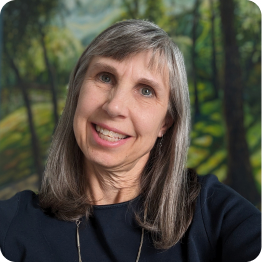
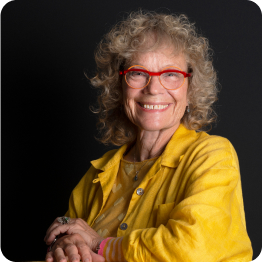
Dr. Gwyn A. Beattie
Dr. Gwyn Beattie’s expertise is in plant-bacterial interactions, with a focus on bacterial success strategies on plants. She has current research projects investigating microbiome development on soybean roots and how this development is shaped by systemic signals associated with drought and high saline conditions. In other projects she is investigating insect-vectored bacterial plant pathogens, biocontrol, and how climate change may be contributing to the emergence of insect-vectored plant diseases.
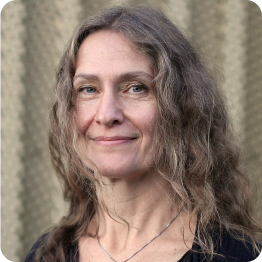
Professor Tine Rask Licht is Acting Head of the National Food Institute, Technical University of Denmark, and have worked with the interaction between diet and the gut microbiome for more than a decade. Together with her research group, she has been studying this interaction in humans, animal models, and in vitro model systems. The group has contributed significantly to the understanding of the impact of diet on metabolic activities of gut bacteria relevant for human health.
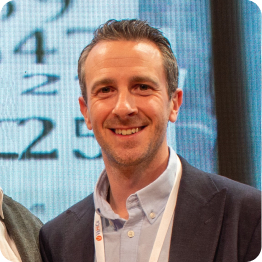
Dr. Daniel Merrifield is an Associate Professor University of Plymouth, UK, where he leads the Fish health and Nutrition research group. Dr. Merrifield’s research programme on fish nutrition, gut health, aquafeeds and functional feed additives has been supported by the BBSRC, NERC, The Newton Fund, Innovate UK, charitable trusts and companies from the aquafeed and pharmaceutical sectors. He has published >80 peer-reviewed papers on various aspects of these topics, with a resulting H-index of 48. He published the first book dedicated to gut microbiota, nutrition and feed additives in fish: Aquaculture Nutrition: Gut Health, Probiotics and Prebiotics (Merrifield & RingØ 2014, Wiley Blackwell ISBN: 978-0-470-67271-6). Dr. Merrifield is at the forefront of research examining the mucosal microbiomes of fish species, functional feed additives and dietary induced intestinal pathologies and dysbiosis.
Dr. Lene Lange’s professional background includes having served as a Director of Research in both private sector and academic settings. She’s held full professor positions at three Danish universities: UCPH, AAU, and DTU. With 20 years of experience in Molecular Biotechnology, she’s contributed to R&D at Novo Nordisk and Novozymes. Additionally, Dr. Lange plays advisory roles at the EU Commission, serving as Vice Chair of the Scientific Committee for BBI-JU and newly appointed to the Scientific Committee of CBE-JU. Furthermore, she lends her expertise to the Danish Government as a member of the Danish Bioeconomy Panel.
Lene has published over 300 scientific papers with more than 7,000 citations, with 4,300 citations since 2018. Her H-index, according to Google Scholar, stands at 38, affirming her significant impact in the scientific community.