Microbiomes for improving plant protein in Europe: Research projects MICROBIOMES4SOY & MiCRop meet in Utrecht
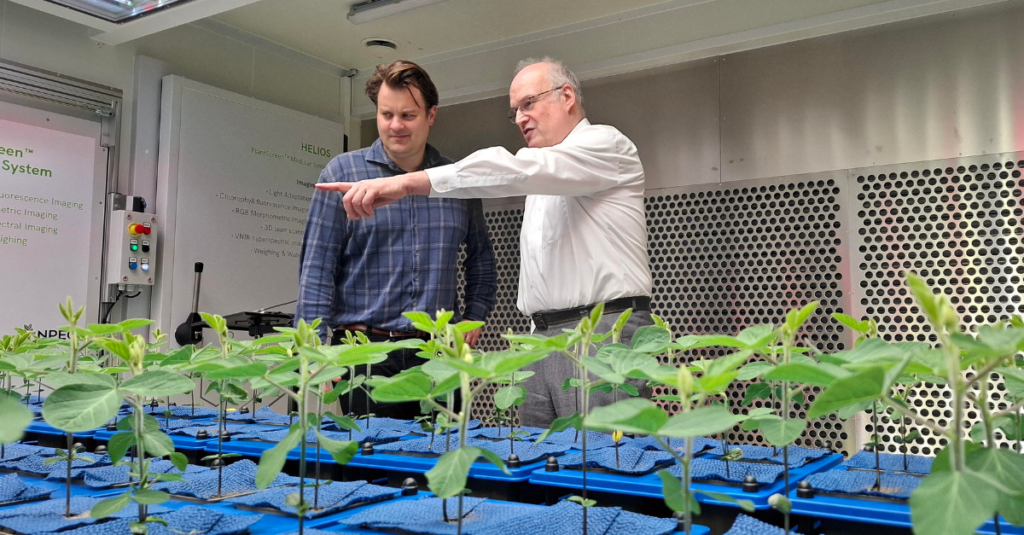
Do the bacterial organisms living in dirt make any difference in how well our food is grown? That is the question that two major crop‑microbiome research initiatives are trying to find out. The Netherlands Plant Eco-phenotyping Centre (NPEC) in Utrecht is home to a collection of 100 soils from soya bean crops across Europe. Here, researchers from MICROBIOMES4SOY and MiCrop are examining those soils to better understand what kind of microbiomes are found in them, and how those microbiomes could be contributing to soya bean […]
Can beneficial microbes enhance soya bean growth and drought resilience?
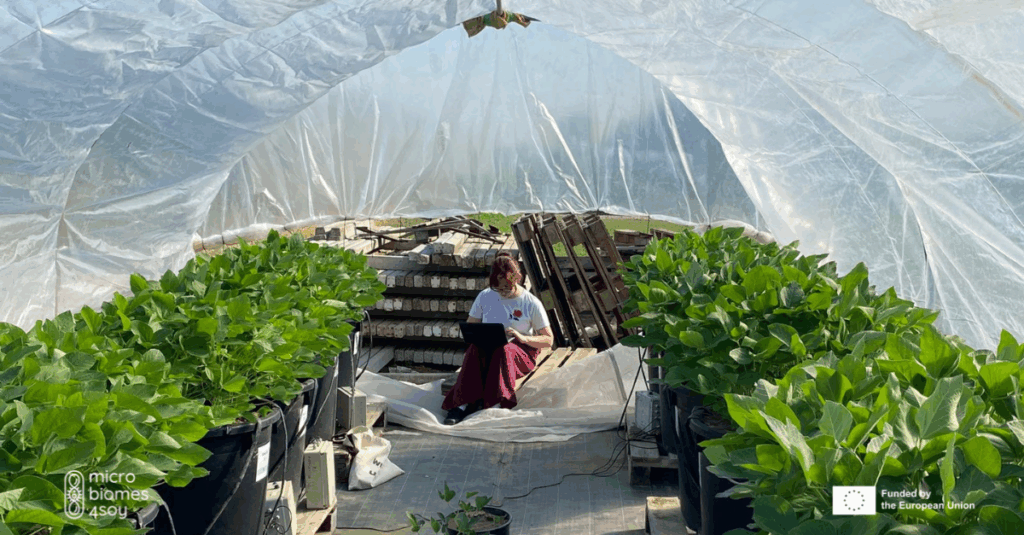
Insights from the MICROBIOMES4SOY lysimeter trial During the summer of 2025, researchers at the University of Bologna’s experimental farm conducted a lysimeter* trial as part of the MICROBIOMES4SOY project. The aim was to explore how microbial co-inoculation could improve soya bean growth, yield, and tolerance to drought stress. *A lysimeter is a device used to […]
Inside the SOYBIOME Dietary Trials: Exploring how tofu may influence gut health
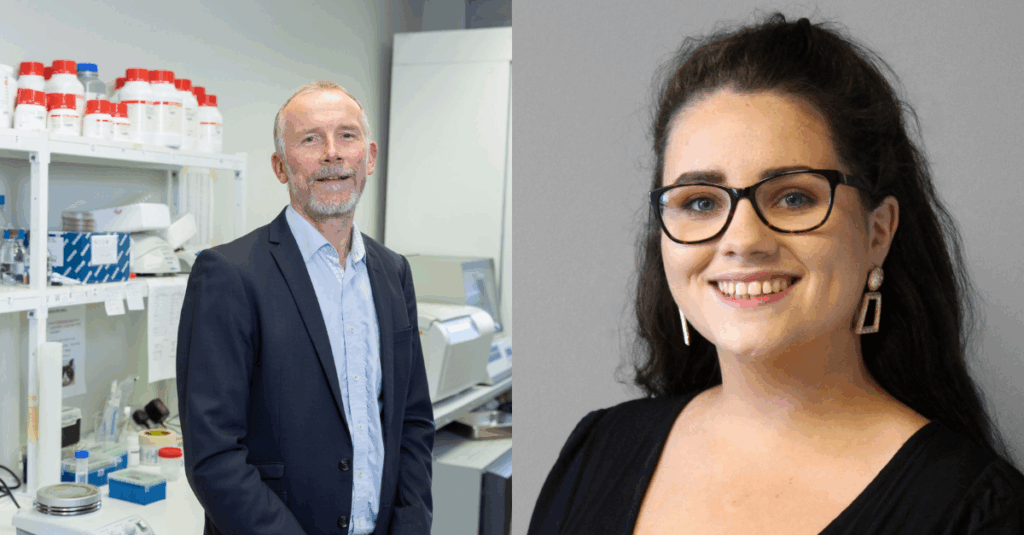
As part of the MICROBIOMES4SOY project, researchers are investigating how plant-based alternatives to red and processed meat, specifically tofu, can impact human health, especially the gut microbiome. The SOYBIOME dietary trial is a key part of this research, aiming to understand how swapping out meat for a soya-based product affects digestion, inflammation, and overall well-being. […]
Celebrating World Microbiome Day 2025
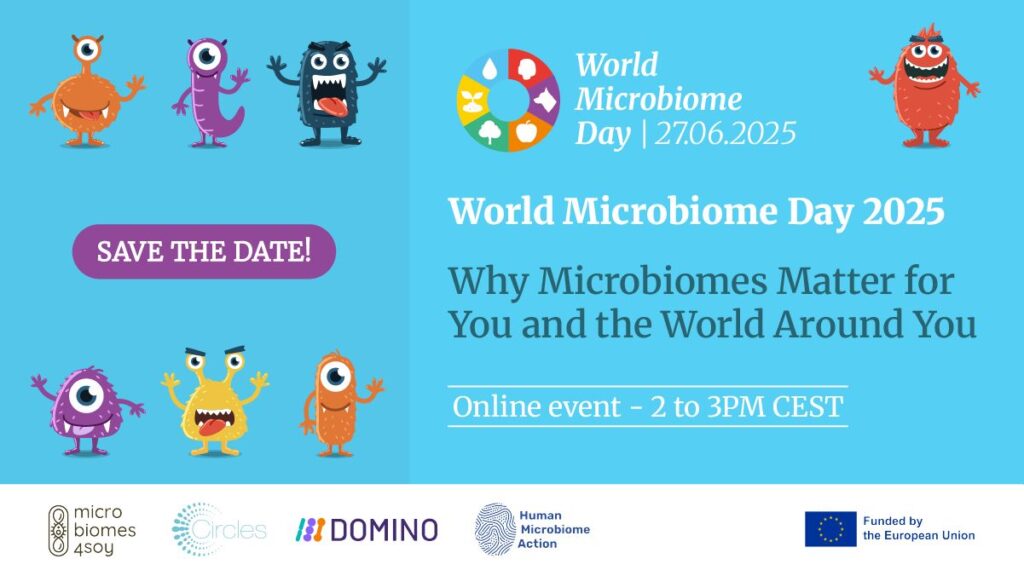
Each year on June 27th, we celebrate #WorldMicrobiomeDay to spotlight the invisible yet powerful communities of microorganisms, microbiomes, that shape our health, food systems, and environment. This year’s theme, “Microbiome 101: What You Need to Know,” focused on making microbiome science accessible to everyone. From gut health to sustainable agriculture, the goal was to raise […]
Press Release: Microbes4SustainableFoods Cluster Secures €45M+ in EU Funding to Drive Innovation in Sustainable Food and Health
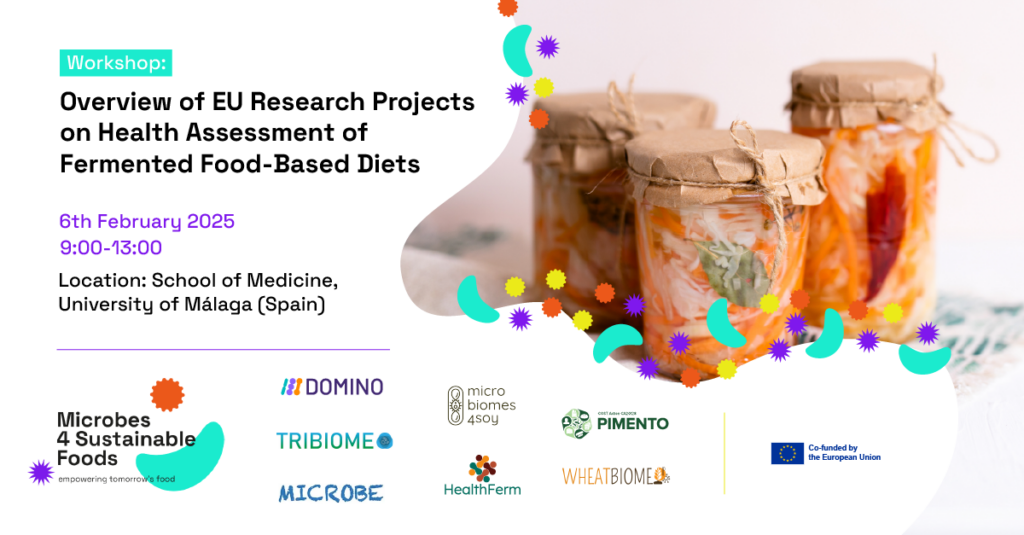
Brussels, February 5th, 2025 – As the global appetite for sustainable food options continues to grow, microbiome-based innovations such as fermented foods are emerging as a powerful tool for improving human health and protecting the environment. Leading the charge in Europe is the Microbes4SustainableFoods (M4SF) Cluster, a collaboration of EU-funded projects driving cutting-edge research on fermented foods […]
Press Release: World Microbiome Day – Harnessing the power of microbiomes to improve our health
Read our first press release.