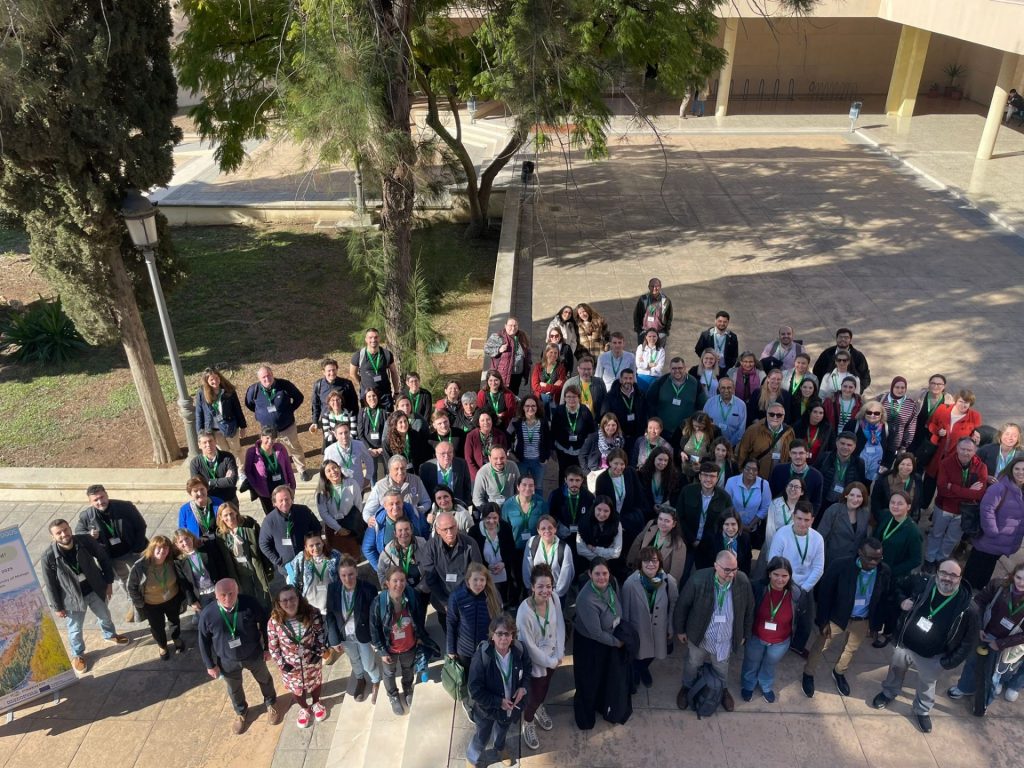
The Second Forum on Fermented Foods (2FFF) took place in Málaga, Spain, from February 5th-7th, 2025. This international conference brought together leading researchers to discuss the biodiversity, sustainability, and health benefits of fermented foods.
Hosted by the COST Action PIMENTO CA20128 project, the event covered a wide range of essential topics, including:
- The variety and biodiversity of fermented foods
- The microorganisms involved and their metabolism
- Innovations and sustainability in fermented food production
- The bioactivity and beneficial effects of fermentation-derived compounds
- The role of fermented foods in a healthy and sustainable diet
The Microbes4SustainableFoods (M4SF) cluster contributed valuable insights as EU-funded initiatives advancing research on sustainable fermented foods. The cluster organised a workshop, chaired by Marta Laranjo and Vittorio Capozzi, featuring an engaging plenary session with:
- Orla O’SULLIVAN (Teagasc, Ireland) on the microbiome of fermented foods and its role in human health.
- Kristin Verbeke (Belgium) presenting the HealthFerm project and its focus on plant-based fermented foods.
- Stéphane Chaillou (INRAE, France) introducing the DOMINO project.
- Ricardo DIAS (University of Porto, Portugal) sharing findings from the WHEATBIOME project.
- Angela Sessitsch (AIT, Austria) discussing the Microbiomes4Soy project.
- Tanja Kostic (AIT, Austria) highlighting research from the MICROBIOME project.
📜Read our latest press release, “Microbes4SustainableFoods Cluster Secures €45M+ in EU Funding to Drive Innovation in Sustainable Food and Health“.
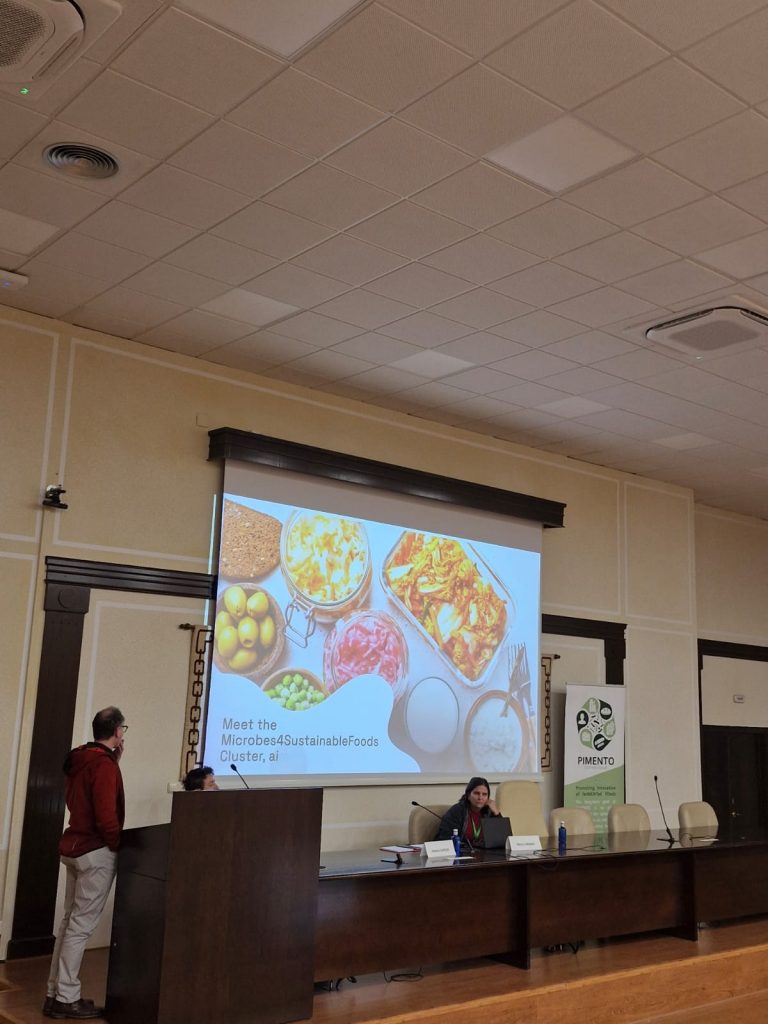
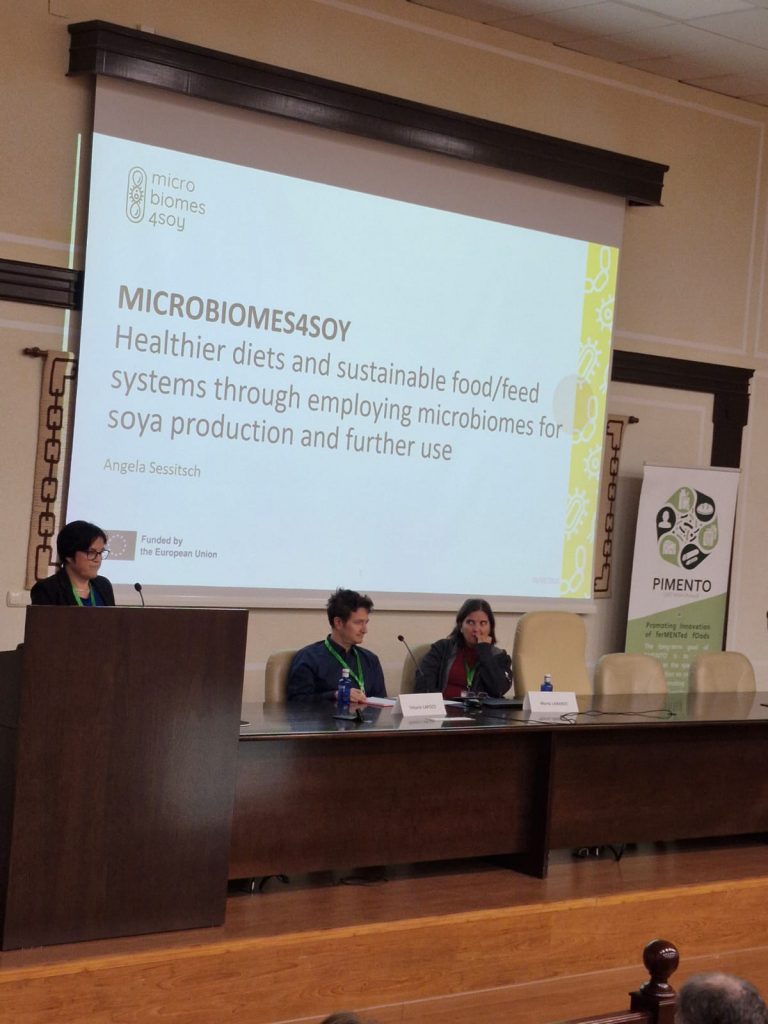
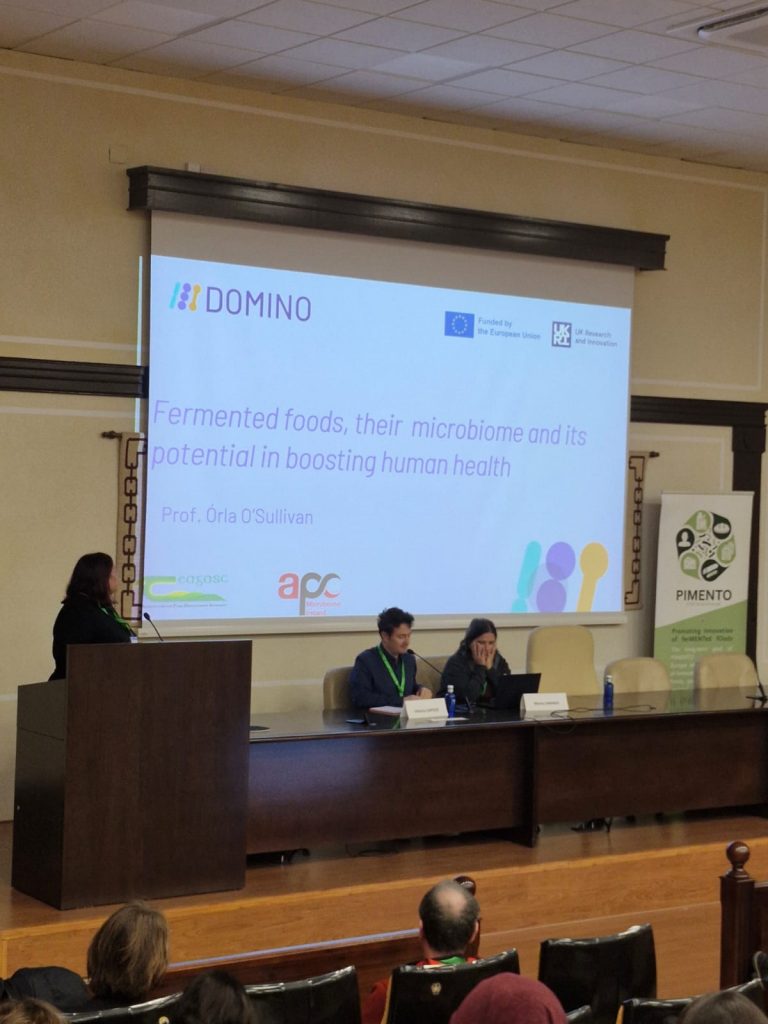
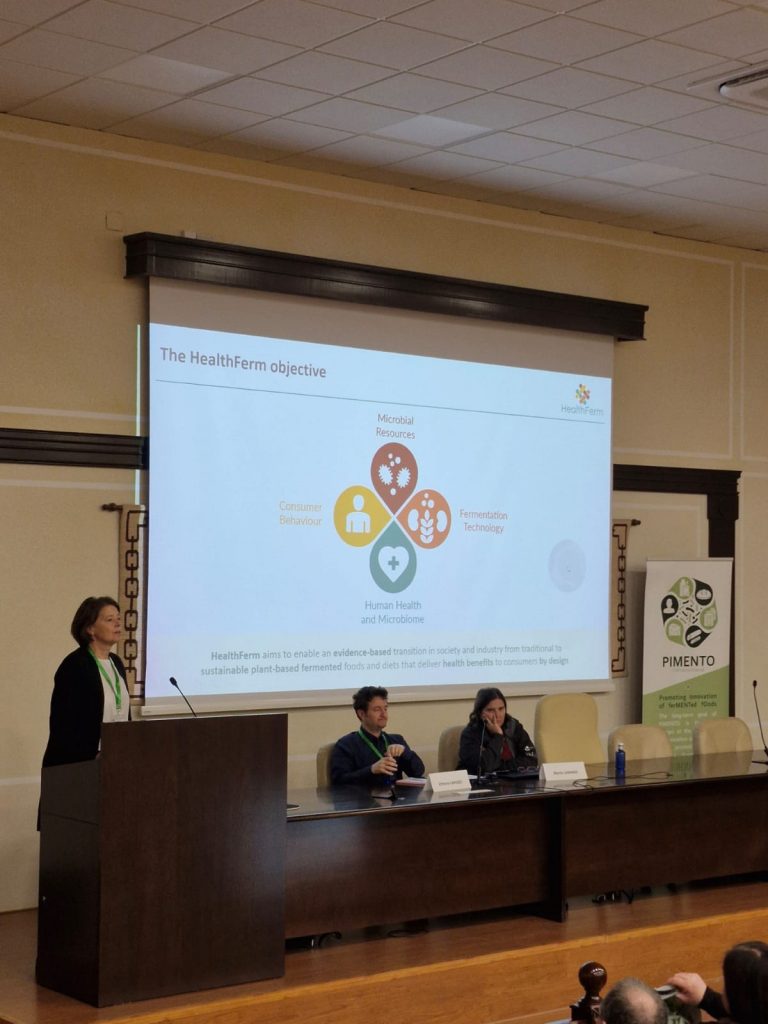
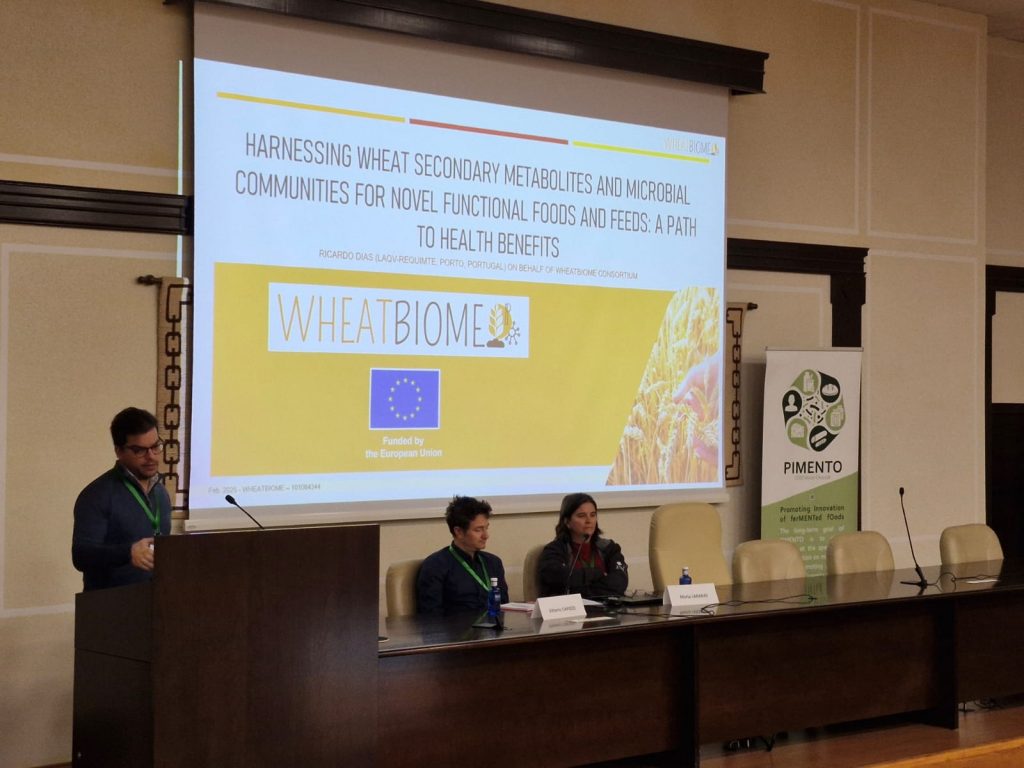
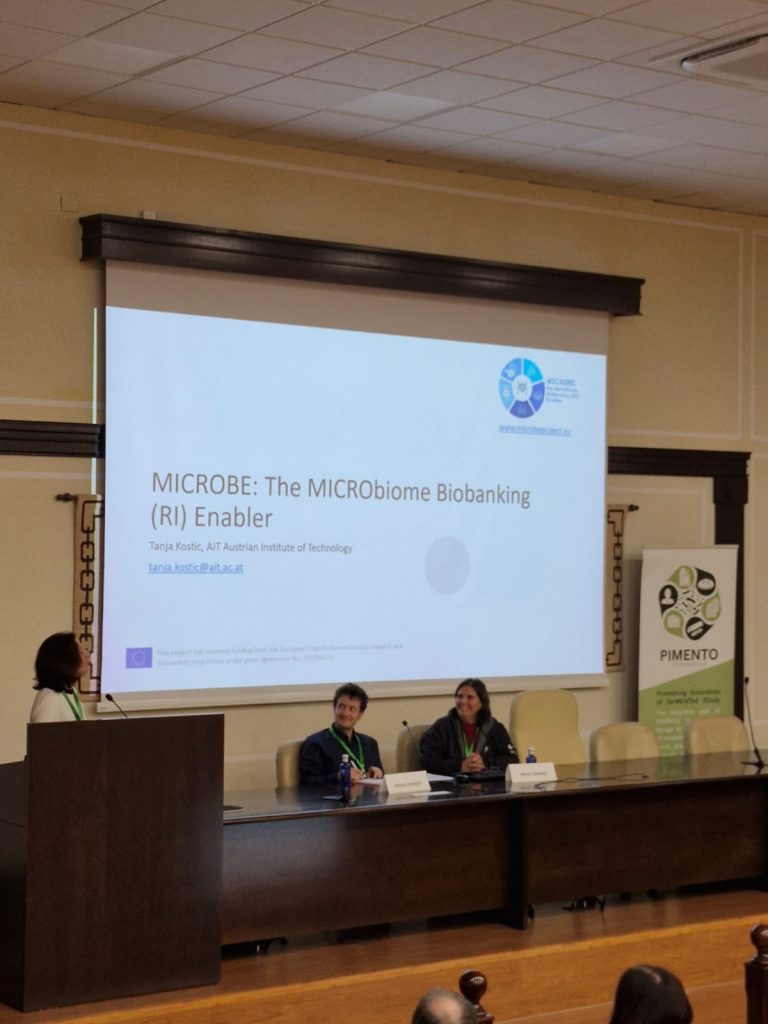
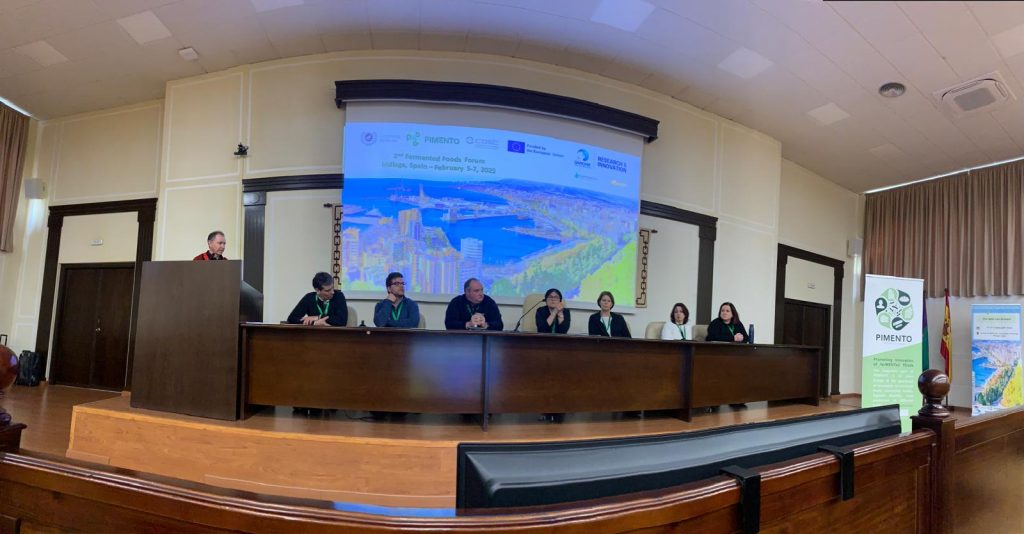
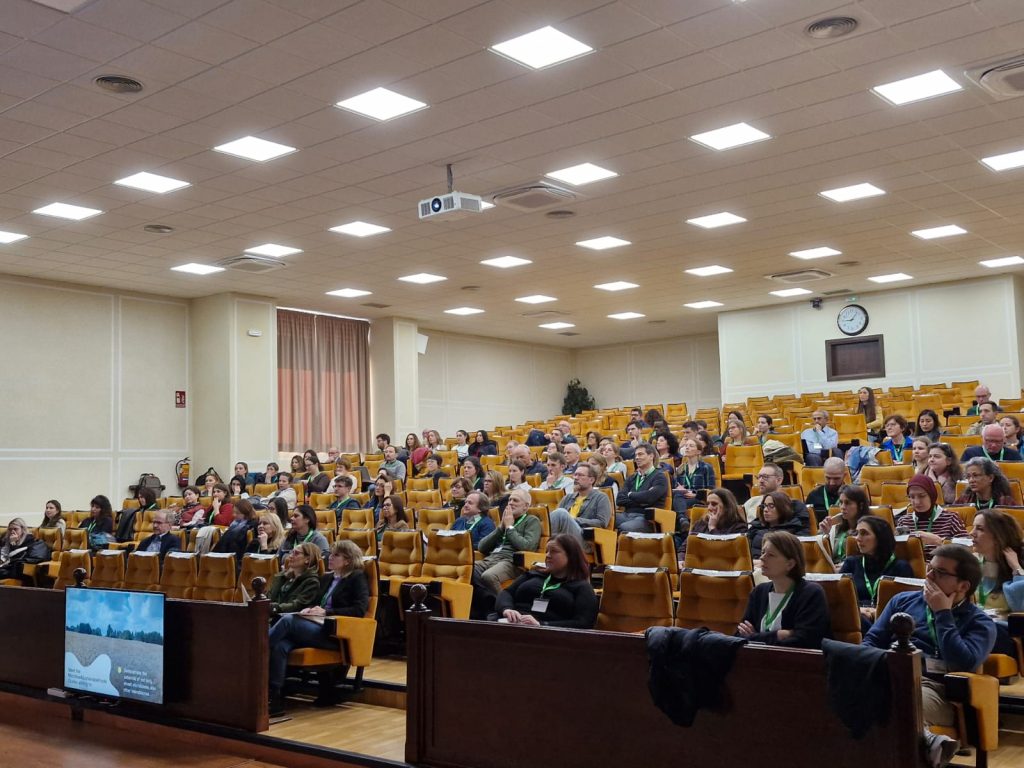
The workshop also featured a roundtable discussion on The Future of European Fermented Food Research, chaired by Stéphane Chaillou (coordinator of the DOMINO project). During this discussion, researchers from the M4SF cluster answered audience questions and explored challenges and opportunities for future European fermented food projects. With around 170 attendees, the discussion emphasised collaboration, innovation, and the future impact of fermentation science.
Acknowledgments
A special thanks to the COST PIMENTO organising committee and Carmen María González Domenech from the University of Malaga for hosting this inspiring event.
Stay tuned for more updates from the M4SF Cluster as we work towards a healthier, more sustainable future through fermented food research! Read more at: www.domino-euproject.eu/about/m4sf/